
Modal in Modern Fashion

As the textile industry continues to shift toward sustainability, modal fabric is emerging as one of the most sought-after materials of our time.

Modal is derived from beech wood pulp and belongs to the same family as rayon, but it is enhanced through modern processing techniques to create a fabric that is exceptionally soft, smooth, and more durable. Its texture is often compared to silk, yet it offers greater comfort and is much easier to care for. In addition, modal is highly breathable, making it ideal for everyday wear.
As both consumers and brands place increasing importance on environmental responsibility, modal has become a well-balanced choice. As a semi-natural fiber with strong sustainability potential, it appeals to those seeking a combination of aesthetic appeal, quality, and conscious material selection.
Whether used in fashion apparel, loungewear, or home textiles, modal seamlessly brings together softness, strength, and a modern, refined look. It is no surprise that this material is becoming an essential choice in today’s textile industry.
What is Modal Fabric?
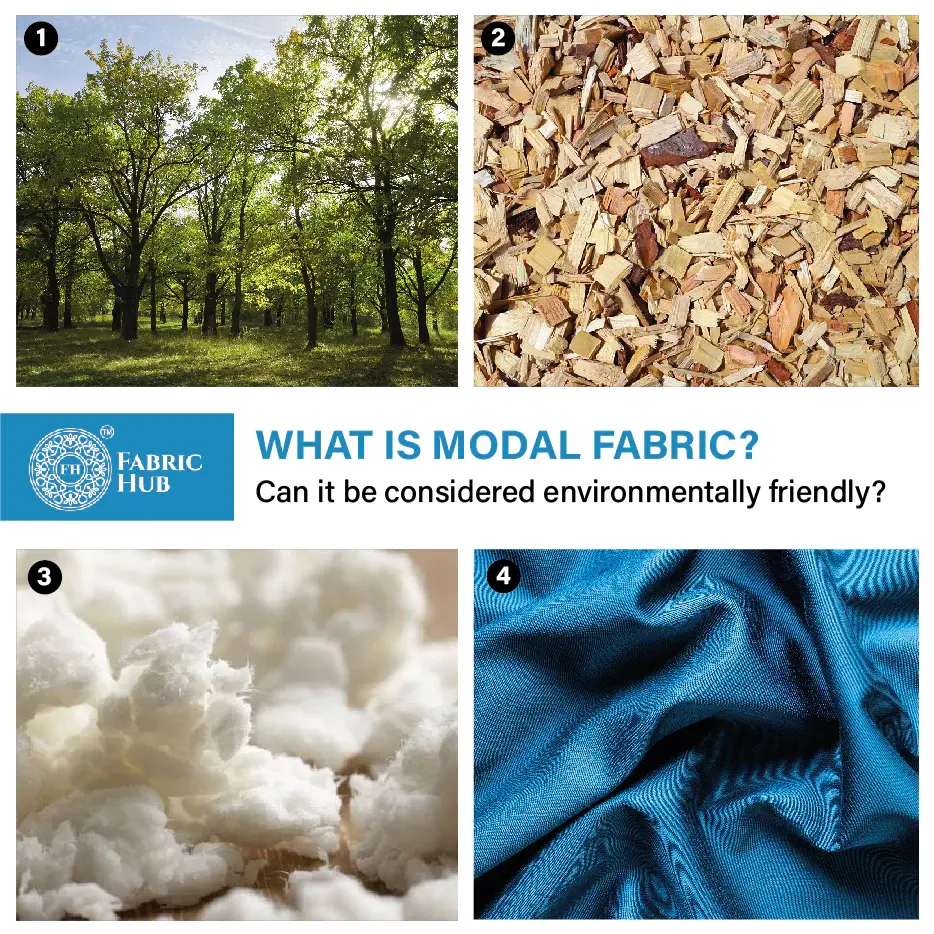
Modal was first developed in Japan in the 1950s as an advancement of rayon, a fabric long valued for its softness but often criticized for its environmental impact. The goal of modal was to retain the comfort and smooth hand feel of rayon while improving its durability, reducing shrinkage, and addressing sustainability concerns.
The production process begins with beech wood chips, which are processed into pulp to extract pure cellulose. This cellulose is then transformed into long, smooth fibers through a chemical spinning process. The result is a fabric known for its elegant drape, excellent moisture absorption, and resistance to pilling and stretching over time.
Modern manufacturers, particularly those using TENCEL™ technology by Lenzing AG, have further elevated modal into a high-quality, environmentally responsible fiber. TENCEL™ Modal, along with its sister fiber TENCEL™ Lyocell, is produced using a closed-loop process that recovers and reuses more than 99% of solvents and water.
The result is a fabric that combines sustainability with a natural feel and luxury-level performance—soft, durable, and gentle on both the skin and the environment.
Key Features of Modal Fiber

Exceptional softness
Offers a smooth, silk-like feel that is gentle on the skin
High breathability
Allows air to circulate, making it comfortable in warm climates
Excellent moisture absorption
Absorbs and releases moisture efficiently, keeping the wearer dry
Durability and strength
More resistant to shrinkage and deformation compared to regular cotton
Good color retention
Holds dye well, resulting in rich, vibrant, and long-lasting colors
Smooth surface texture
Reduces friction and helps prevent pilling over time
Sustainable potential
Made from natural wood pulp and can be produced using eco-friendly processes
What Products is Modal Suitable For?

Modal is highly versatile and works well across a wide range of products, especially those that require softness, comfort, and a premium feel:
T-shirts and everyday apparel
Ideal for soft, breathable basics with a smooth drape
Loungewear and sleepwear
Perfect for relaxed styles that prioritize comfort
Underwear and intimates
Gentle on the skin with excellent moisture management
Active and athleisure wear
Suitable when blended with other fibers for added performance
Children’s clothing
Soft, non-irritating, and comfortable for sensitive skin
Home textiles
Such as pillowcases, bedsheets, and lightweight blankets
The loungewear examples make the fabric discussion feel more practical. For one of Sewlore’s knit sewing projects, I’d want to compare a modal jersey’s weight and recovery as well as its softness. Would you choose a different blend for a loose sleep top than for a fitted one? Those seem like quite different demands on the same fabric.